The £1,000 Question: When a Side Project Starts Asking for Paperwork

Photo: This file comes from the official Flickr account of Patrick Subotkiewiez, Category:Baziège, France This tag does not indicate the copyright status of the attached work. A normal copyright tag is still required. See Commons:Licensing., CC BY 2.0, vi
There is a pleasant phase in every side project where it is just a thing you do. Maybe you sell a few prints, fix up bicycles, tutor on weekday evenings, or run a small stall at the weekend. It brings in a bit of money, it keeps you interested, and nobody has asked you for a spreadsheet yet.
Then the numbers get a little less casual. A good month turns into a good quarter. You start buying supplies specifically for the project. Someone asks for a receipt. And a small voice says: is this still a hobby, or have I accidentally started a business?
That is the moment this guide is for. Not the moment to panic — the moment to get organised.
The £1,000 line is about takings, not profit
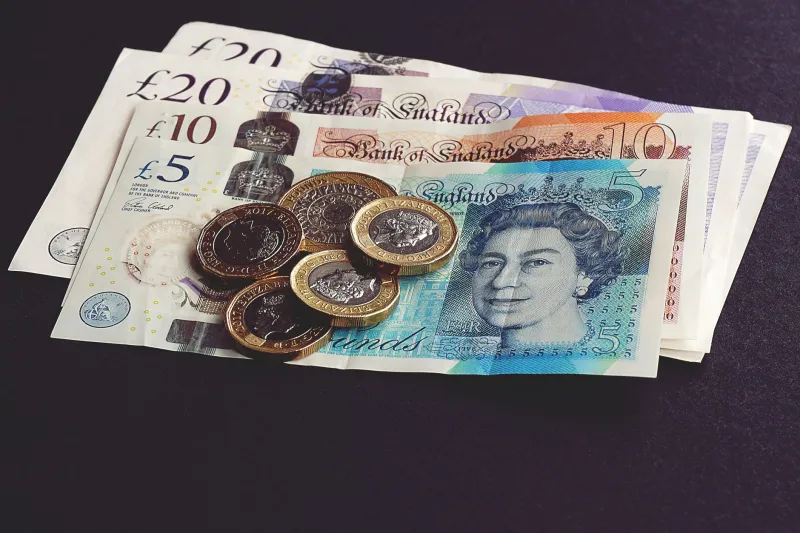
The UK has a useful piece of friction-reduction called the trading allowance. In simple terms, if you have self-employment income of £1,000 or less in a tax year, you do not need to register for Self Assessment just to report it. It is designed to keep tiny bits of buying and selling out of the tax system.
The important word is income, not profit. It is the money coming in before you deduct costs. So if your side project took £1,200 but you spent £400 on materials, you are still over the £1,000 line. The allowance is not a £1,000 profit allowance; it is a £1,000 gross takings allowance.
If you are under that threshold, life is usually simpler. If you are over it, you generally need to tell HMRC by registering for Self Assessment. For someone who started a side project in the 2026/27 tax year, for example, the usual registration deadline is 5 October 2027. That is not a reason to leave it until the last minute, but it is also not a reason to assume the tax office is already drafting a letter.
When a hobby starts looking like a business
HMRC does not decide whether you are a hobby or a business based on vibes. It looks at things like whether you are trying to make a profit, whether you are organised and repeated in what you do, and whether you have customers or clients rather than one-off buyers.
A one-off clear-out of old clothes is not a side hustle. A regular pattern of buying stock, taking orders, advertising, and reinvesting the money starts to look more like trading. The £1,000 allowance gives you breathing room, but it does not turn a genuine business into a hobby by magic.
A useful question is: would a reasonable person look at this and say you are running a small enterprise? If the answer is yes, treat the paperwork as part of the project rather than a punishment for doing well.
What the trading allowance actually changes
If your gross side-project income is over £1,000, you have two broad ways to work out your taxable profit.
One is to use the £1,000 trading allowance instead of claiming expenses. That can be attractively simple if your costs are low. The other is to calculate your actual profit by deducting allowable expenses. You cannot do both for the same income — it is one route or the other.
A rough rule of thumb: if your expenses are less than £1,000, the allowance may be the easier option. If your expenses are higher, actual expenses may work out better. But it is worth checking your own numbers rather than guessing, because the answer depends on your income and costs.
Allowable expenses are costs that are wholly and exclusively for the side project. Materials, stock, platform fees, business insurance, and travel directly for the work can all count. Personal spending dressed up as a business cost does not. Keep it honest and keep it simple.
A shoebox, a spreadsheet, or an app
Record-keeping has a reputation for being dull, and that reputation is deserved. But it is also the part that makes everything else calmer.
Keep a record of what came in, what went out, and what the money was for. Save receipts and invoices. If you sell through an online platform, download your statements rather than relying on the dashboard staying available forever. A separate bank account for the side project is not compulsory, but it makes the paper trail much easier to follow.
You do not need accounting software on day one. A simple spreadsheet and a folder for receipts will do for many small projects. The goal is to be able to explain your figures without dredging through memory.
Crossing the line is not a catastrophe
There is a strange tendency to treat the £1,000 threshold like a cliff edge. It is not. It is a prompt. If your side project has grown past it, you are not in trouble; you are simply at the point where the admin needs to catch up with the activity.
Register when you need to, keep decent records, and work out whether the trading allowance or actual expenses suits you better. If the numbers get complicated, a tax adviser or accountant can help — especially if the side project is growing or you have several income streams.
The hobby does not have to stop being enjoyable. It just needs a little paperwork to keep it that way.