The Envelope Test: Giving Your Grocery Budget a Physical Home in 2026
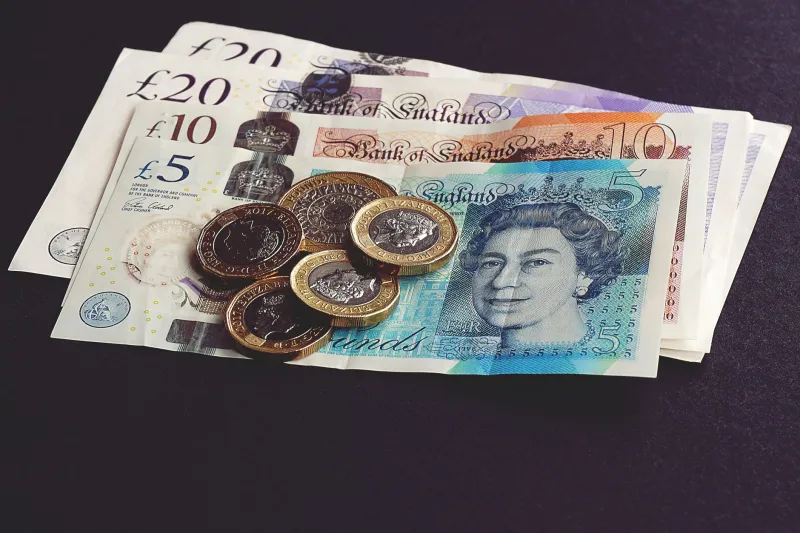
There is something oddly satisfying about watching someone divide a stack of twenty-pound notes into labelled envelopes. It looks tidy, deliberate and a million miles from the vague anxiety of tapping a card and hoping the number on the banking app is still respectable. That is probably why cash-stuffing keeps resurfacing online. The idea is simple: withdraw your spending money, split it into pots for groceries, bills, travel and fun, then spend only what is in each envelope.
But a budgeting method that looks calming in a short video can feel quite different on a wet Tuesday in Leeds when the only nearby cash machine wants to charge you £2.50. So is cash budgeting a genuine fix for overspending, or just admin with extra steps? The honest answer sits somewhere in the middle — and for most households, a partial version is more realistic than a full cash conversion.
Why cash can change the way spending feels
Cards are brilliant at many things. They are quick, they keep a record and they do not mind whether you are buying a coffee or a new washing machine. That ease is also the problem. Spending can become almost invisible. A few contactless taps do not feel like a decision until the statement arrives.
Cash puts a small speed bump in the way. Handing over a tenner for lunch makes the cost obvious in a way that a card tap often does not. You can see the envelope getting thinner. You know when the grocery money is nearly gone because there is a physical limit sitting in the drawer.
For people who find budgeting apps too abstract, that can be genuinely useful. It turns a number on a screen into something you can count. It also makes it harder to blur categories. If the eating-out envelope is empty, you have a clear choice: stop, wait, or move money from somewhere else on purpose. That little pause is where the behavioural benefit lives.
The practical friction nobody puts in the reel
Cash budgeting is not free of hassle. The first issue is access. Bank branches have been closing for years, and while many people can still withdraw cash at a Post Office or a local ATM, it is not always convenient. If you have to make a special trip every week, the system starts to compete with the rest of your to-do list.
Then there is safety. Keeping several hundred pounds in labelled envelopes at home is not ideal if you live in shared housing, have builders in, or simply do not want that much cash in the house. It is also easy to lose track of what is where. A envelope system works best when the amounts are modest and the hiding place is sensible — not when it becomes a stash under the mattress.
There are financial trade-offs too. Some providers offer a discount for paying by direct debit, particularly on energy bills. If you switch to cash, you may lose that. Certain purchases come with stronger protection when you pay by card, especially credit card purchases under Section 75. Cash does not offer the same safety net if something goes wrong. And while cash is still accepted in many places, some cafes, car parks and online shops are effectively card-only.
A halfway house is usually the sensible test
You do not have to choose between a fully digital budget and a cash-only household. A partial cash budget can give you the useful friction without turning your life upside down.
Start with one or two categories where overspending actually happens. Groceries are the classic example because the amount varies, the spending is frequent and the temptation to add “just one more thing” is strong. Eating out, coffees and small household extras are also good candidates. Leave bills, direct debits and online purchases on card. There is little point withdrawing cash for a streaming subscription you pay monthly by direct debit.
A simple version might look like this: withdraw a set amount each week for groceries, keep it in one envelope, and leave the card at home for that shop. If you need more, you have to go home and get it. That extra step is the whole point. You are not trying to make life difficult; you are trying to make the decision visible.
For households, the envelope system can also reduce friction if everyone agrees on the limits. Two adults sharing a food budget can see what is left. A teenager with a set amount for social spending can learn the same lesson without an argument about the banking app. The key is keeping it simple. Too many envelopes and you have recreated a finance department in your hallway.
A simple decision framework
Before you commit to cash, ask yourself four questions.
Does the friction help or annoy you? If counting notes makes you feel more in control, it may work. If it makes you feel restricted and resentful, a digital pot with a weekly transfer may be better.
Can you get cash easily and safely? Check your nearest free ATM or Post Office. If getting cash is a monthly expedition, keep the system small.
Which categories actually need it? Pick the ones where you consistently overspend. Do not convert every bill to cash just because the method looks neat.
What would you lose? Look at direct debit discounts, card protection and any online payments. Keep those on card if cash would cost you more than it saves.
The calm version is the boring version
Cash budgeting is not a magic trick. It will not fix an income problem, and it will not suit every household. But as a small behavioural experiment, it has a lot going for it. It slows spending down, makes limits visible and gives you a clear signal when a category is running dry.
The trick is not to go all-in because a video made it look satisfying. Try one envelope for one month. See whether it makes your grocery shop calmer or just more complicated. If it helps, keep it. If it does not, you have lost nothing more than a few ATM trips and maybe a fiver in coins at the back of a drawer.