The Band Next Door: Why Your Council Tax Might Be Worth a Second Look
Council tax has a strange place in household finances. It arrives every month, it's usually the second-biggest bill after the mortgage or rent, and almost nobody ever stops to ask whether the number is right. We question a broadband price rise, we haggle over insurance, and then we quietly accept a band that was decided by someone squinting at a clipboard in the early 1990s.
Most of the time, the band is fine. But not always. Between 1991 and now, homes have been extended, split, merged, converted and rebuilt, and the paperwork hasn't always kept up. Occasionally a whole street ends up in two different bands for no obvious reason. So it's worth ten minutes of your evening to check — calmly, without assuming anything, and with a clear idea of what could happen next.
Where the bands actually come from
In England and Scotland, your band is based on what your home would have sold for on 1 April 1991. In Wales, the bands were reset in 2003. Nobody is re-running those valuations each year. Your band is essentially a historical snapshot that gets carried forward, which is exactly why the occasional misfit survives.
England and Scotland run bands A to H, with band D as the benchmark. Wales runs A to I. Northern Ireland doesn't use bands at all — it has domestic rates instead — so if you're there, this particular exercise doesn't apply to you.
The headline number matters because band D is the reference point most councils build their budget around, and the gap between one band and the next is usually a few hundred pounds a year. Going down a band isn't a jackpot. It's a modest, recurring saving, and occasionally a backdated refund on top.
Start with the house next door
Before you go anywhere near a form, do the obvious thing: look at your neighbours. Not in a nosy way, in an arithmetic way.
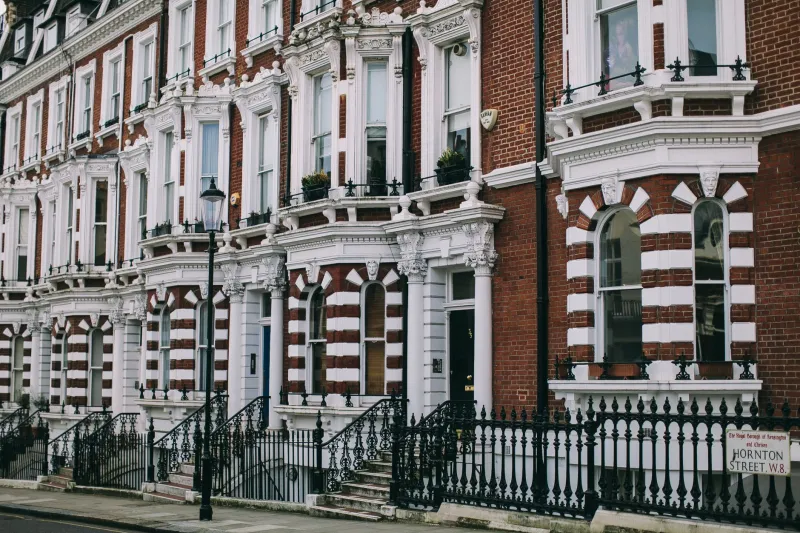
Estate agents' listings, old sold-price records and the council's own band search will let you check similar properties on your street or in your immediate area. The trick is to compare like with like. A two-bedroom terrace with a small yard is a fair comparison for another two-bedroom terrace with a small yard. The five-bedroom house around the corner is not, even if it's only a minute's walk away.
Look for genuinely similar homes — same era, same footprint, same rough plot — sitting in a lower band than yours. That's the pattern worth investigating. One oddity means little. Four or five similar houses in the band below yours is a reasonable prompt to ask a question.
The evidence that actually helps
Vague feelings about your bill being high carry no weight. Specific, checkable details do. The things that tend to help:
- Size and layout. Floor plans, room counts, or the original sales particulars if you have them.
- The 1991 or 2003 benchmark. If you're in England or Scotland, any evidence of what similar homes in the area would have been worth at that date is gold.
- Comparable addresses. A list of similar local properties, with their bands and why you think they're comparable.
- What hasn't changed. If you haven't extended or converted anything, say so. It's surprisingly common for people to assume an extension is the reason for a higher band when it isn't — improvements carried out after the valuation date generally don't move you up a band.
Photographs help, but a simple, tidy summary in plain English is worth more than a folder of blurry pictures. Assessors deal with these every week; clarity is a kindness.
How to raise it, country by country
England and Wales. Start with the Valuation Office Agency. Their online service lets you check your band and see similar properties nearby. You can formally challenge if you've been the taxpayer for less than six months, or if your band changed in the last six months. Outside those windows you can still ask them to look again, though there's no obligation on them to change anything.
Scotland. Your band is set by the local Assessor, not the council, so the Scottish Assessors Association is your first stop. There's usually a six-month window from when you became liable, or from a change in the property. If you're unhappy with the outcome, there's a further route to the Valuation Appeal Committee.
In all three nations, one rule matters more than any other: keep paying your bill. A challenge doesn't pause your council tax, and falling into arrears while you wait is a much bigger problem than being in the wrong band.
The bit nobody likes to mention
A challenge can go either way. If the evidence suggests your home should sit in a higher band, the assessor can move it up — and that means a bigger bill, possibly backdated. It's not a common outcome for people who've done sensible homework, but it's real, and it's why the check should come before the form rather than after.
A successful challenge usually means a lower band from the point you became liable, with a refund of the difference. It doesn't travel back to 1991. So the value of the exercise depends on how long you've lived there and how big the gap is. Someone who moved in last year might see a few hundred pounds; someone in the same house for fifteen years could see rather more.
Two things to try first
Before any of this, there are quicker wins sitting in plain sight. If you live alone, you should be getting a 25% single-person discount — it's easy to lose after a house move and easy to reclaim. And if money is genuinely tight, Council Tax Reduction is a separate scheme run by your council, based on income rather than band, and it's worth checking whether you qualify.
Then, if the band still looks out of step with the houses around you, make the enquiry. Not with outrage, just with evidence and a straightforward question. Most of the time the answer will be that your band is correct — and that's fine. You'll have spent ten minutes confirming something most people never check, and you'll know why your bill is what it is. Now and then, though, you'll find a small error that's been quietly charging you extra for years.